

TL;DR: I checked the top 3 longevity clinics in Aventura on Google Maps. Only 1 of 3 let a patient book a real appointment time online when I filmed (one clinic added online booking right after, which says a lot about where this market is headed). Only 2 of 3 have a website that actually works. None of the three have a page in Spanish, Portuguese, or Russian, even though 68% of Aventura speaks a language other than English at home, per the U.S. Census Bureau. But the single biggest opening isn’t the website or the language gap. It’s reviews: the #1 clinic has under 30, and the other two have 3 combined. A longevity clinic asks someone to trust a long, expensive care plan before they’ve ever walked in the door. Reviews and language are how that trust gets built before the first visit — and right now, almost nobody in Aventura is doing either one well.
I searched “longevity clinic” on Google Maps standing in Aventura, opened the top 3 results, and scored them on the spot. No names — this is about the opportunity, not calling anyone out.
What makes longevity clinics different from a quick dental visit?
The decision takes longer, costs more, and asks for more trust up front.
Nobody picks a longevity clinic the way they pick a coffee shop. A new patient is often looking at a membership, a multi-month plan, or a program running into the thousands of dollars. Before handing over that kind of money, they research and compare, looking for a reason to trust this clinic over the one down the street.
That means the clinic’s online presence isn’t decoration. It’s the first impression, repeated dozens of times, before a single phone call happens. If it’s thin, confusing, or impossible to book through, the research stops there and moves to the next result.
Why did I score booking, the website, and language — and what did I find?
Because those three things are what a patient actually runs into between “I searched this” and “I booked this.”
Can a patient book a real time online? 1 out of 3.
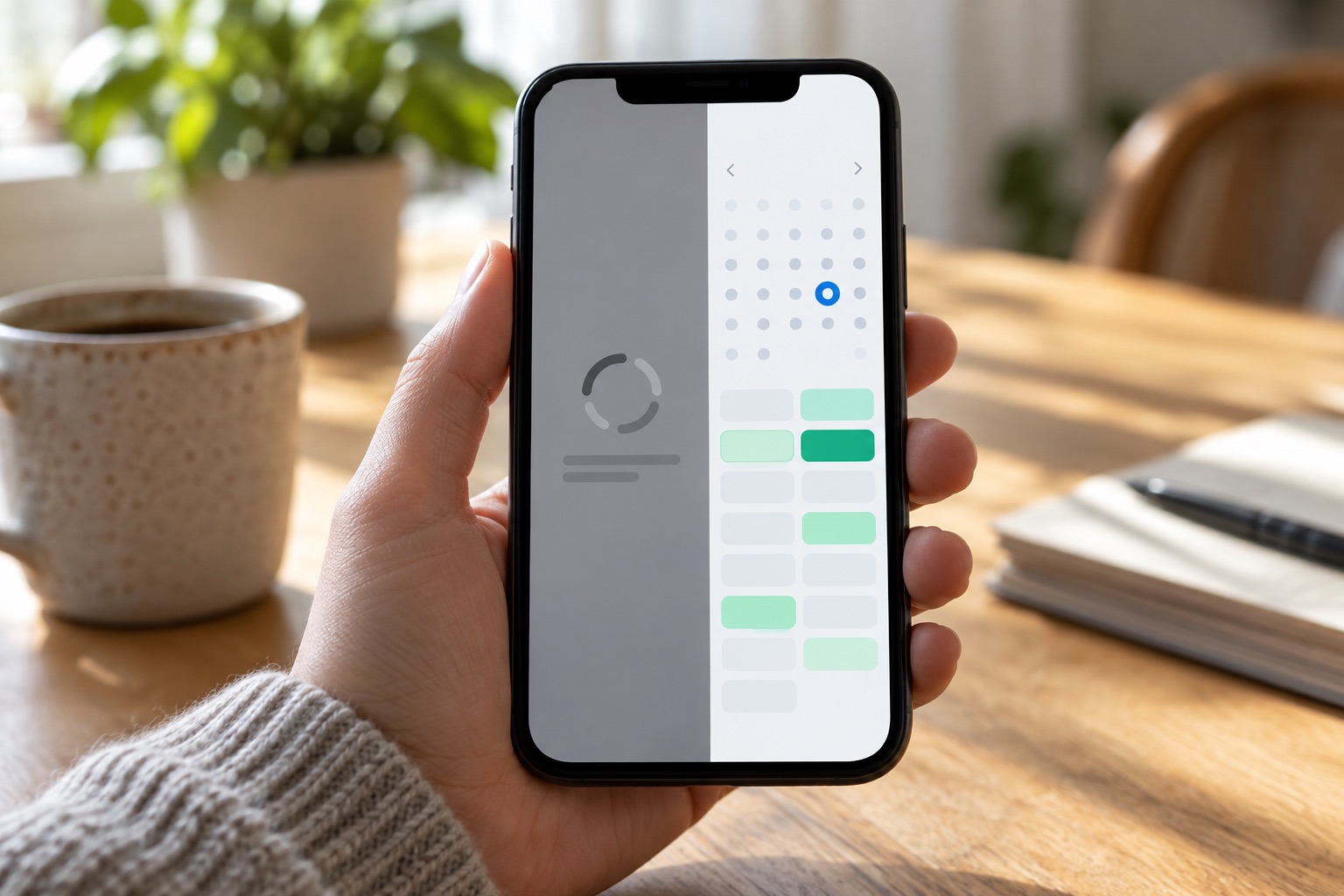
When I filmed, only one of the top three let me pick an actual open slot on a real calendar. One clinic added online booking right after I filmed the reel — a sign this market is moving.
Here’s why that matters. A patient weighing a longevity program is usually doing it at 9pm on a Tuesday. If the only way to move forward is “call during business hours,” most of them bookmark it and never come back. A booking link with real open times turns a browsing visitor into an appointment while they’re still in the mood to commit.
What to do about it: Put a real-time booking tool on your site and your Google Business Profile, not just a “contact us” form. Test it yourself, start to finish, once a week.
Does the website actually work? 2 out of 3.
Two of the three had a website that worked. One didn’t — and that’s the kind of thing that makes a patient wonder if anyone is still running the clinic.
A broken site doesn’t just lose the visitor who hit it — it undoes months of other marketing. Someone sees a social post, taps through to check if the clinic is legitimate, and lands on something that looks abandoned.
What to do about it: Load your own site on your own phone, on data, not wifi, once a month. Click every button. If a page is slow, broken, or looks like it was built in 2015, fix that before spending another dollar on ads or content pointing to it.
Is there a page in Spanish, Portuguese, or Russian? 0 out of 3.
None of the top three clinics had a translated page. Not a sentence.
This is the gap that surprised me most, given who lives in Aventura. Per the U.S. Census Bureau’s QuickFacts for Aventura city, Florida, 68.4% of residents age 5+ speak a language other than English at home — basically the number from the reel. That’s more than two out of three people a longevity clinic here is trying to reach.
A patient who reads a clinic’s site in their second or third language, and still can’t tell if it’s for them, moves on to a clinic that speaks to them directly.
What to do about it: Start with one well-translated page (done by a real bilingual person, not a plug-in) covering your main offer and your first-visit process, in whichever language your patients actually speak most. Mention a bilingual front desk if you have one — that single line removes a real worry for a non-English speaker deciding whether to call.
Where’s the biggest opportunity, and why does it matter more than the website?
Reviews. The #1 clinic has under 30. The other two have 3 combined.
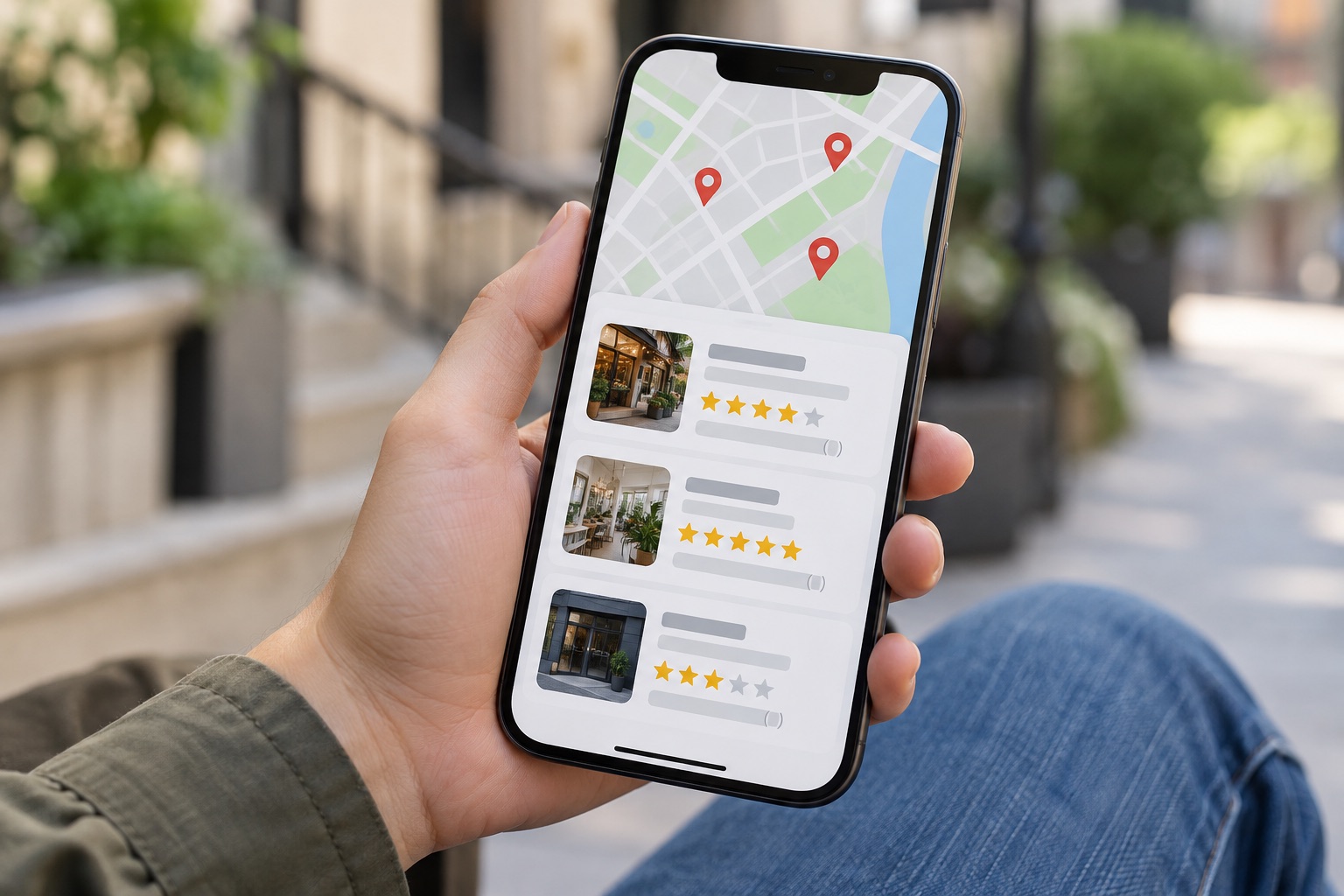
Sit with that for a second. In a growing category like longevity, the top-ranked clinic by Google’s own algorithm has fewer than 30 reviews, and the other two are nearly invisible. For a decision this size — a care plan, not a haircut — a patient expects to see dozens of real people who went through it and are willing to say so.
Reviews do two jobs a website can’t. They’re proof from a stranger, which carries more weight than anything a clinic says about itself. And Google says review count and rating are part of how prominent a business looks in local results — a thin review profile is a visible weak spot a competitor can walk right through.
Whoever in Aventura builds a steady habit of asking for reviews doesn’t just look better. They start pulling patients away from all three clinics at once, because right now almost nobody in this category has done it.
“The #1 clinic in Aventura has under 30 reviews. That’s not a strong position — that’s an open door.”
How to build a review habit that actually works:
- Ask every patient, not just the happy ones. The best moment is right after a good visit — at checkout, or a same-day follow-up text with a direct link to your Google review page.
- Make it a step, not an afterthought. Build “ask for a review” into your front desk’s checklist, the same way you’d build in rebooking.
- Send the link, don’t just mention it. A text or email with the exact link gets far more responses than “check us out on Google.”
- Reply to every review, good and bad. A short, professional reply shows the next person you’re actually there — and gives you a second shot at a bad one.
- Track it monthly. If you don’t know your review count and rating right now, you can’t tell if any of this is working.
Why do so many longevity clinics stall after a strong start?
Because the first wave of patients came from a famous face, not from marketing.
A lot of longevity clinics are started by someone with influence: a celebrity, a well-known local name, someone with a big following. The first months feel like a honeymoon. Their fans and friends book, the calendar fills up, and it seems like the clinic sells itself.
Then it levels off. That’s normal. Every business runs out of warm people at some point. Now the clinic has to win over people who have never heard of the founder, and that’s a different job.
This is when I hear “ads don’t work.” Most of the time, the ads aren’t the problem. The clinic has simply never had to sell to strangers before. A stranger doesn’t book because of who owns the place. They book because of what they find when they look you up: reviews from people like them, a website that explains the first visit, and posts that show what the care is really like.
The kind of influence matters, too. A founder who grew up on social media usually knows this already. They post, they film, and that content keeps working on strangers long after the first wave. A founder whose influence comes from who they know has a real network, just not a digital one. There’s no blog, no active account, nothing online. When the warm referrals slow down, nothing is left doing the work.
What to do about it: Use the honeymoon to build what strangers will need. While your first patients are happy, ask every one of them for a review, film the ones who agree, and put the founder’s face and story on your site and your social accounts. Then, when the warm wave slows down, the colder audience finds proof already waiting for them.
Why isn’t content optional for a clinic like this past 2026?
Because the patient does the choosing, not a referring doctor.
There’s a real exception here, and it’s worth saying plainly: a cardiologist or surgeon who gets most of their patients from other doctors’ referrals doesn’t need much of this. Their next patient is already decided before they ever search Google.
A longevity clinic is the opposite. Every patient chooses it themselves, after comparing a handful of options online. For that kind of front-facing clinic, your reviews, your website, your booking flow, and your content in the languages your patients speak aren’t extras anymore. They’re the first visit that happens in someone’s head before they ever walk through your door. Treat that digital first visit as optional in 2026, and you’re handing the decision to whichever competitor didn’t.
Checklist: what to do this month
- ☐ Put a real-time, self-service booking link on your website and Google Business Profile
- ☐ Click through your entire site on your phone, on cell data, start to finish
- ☐ Build “ask for a review” into your front desk’s checklist for every patient
- ☐ Send a direct review link by text or email the same day as the visit
- ☐ Reply to every review you have, going back as far as makes sense
- ☐ Get one page — your main offer and your first-visit process — translated by a real bilingual person
- ☐ Post one piece of content a month in the language your patients speak most
- ☐ Mention a bilingual front desk on your site and your booking confirmation, if you have one
- ☐ Check your review count and rating once a month, and write down the number

FAQ
How many reviews does a longevity clinic need to compete in Aventura? No magic number, but when the #1 clinic in your category has under 30, a steady climb toward 50–100 real reviews puts you ahead of all three.
Do I need a full website translation, or just one page? Start with one page, done by a real bilingual person — your main offer and what the first visit looks like. One page translated with care beats a whole site run through a machine.
Should I ask for reviews before or after the first visit? After, once the patient has experienced the visit and seen some early sign it’s working — that’s when people write something specific and genuine.
What if my current booking system is just a contact form? Replace it, or add a real-time scheduler alongside it. “We’ll get back to you” loses patients who were ready to commit at 9pm and won’t still be in that mood when you call back.
Why aren’t my ads working when we were booked solid at the start? Your first patients probably came from the founder’s circle, people who already trusted you. Ads reach strangers, and strangers need proof first: reviews, a clear first visit, and real content. Build that, and the same ads have something to send people to.
Does every clinic need to do all of this? No. If most patients come from physician referrals — cardiology, surgery, specialist care — this matters far less. If patients choose you themselves, it matters a lot.
Own a longevity clinic in Aventura, or anywhere else in South Florida? I’ll audit your booking, your website, and your reviews the same way I did on camera — no names, no pressure, just what I’d fix first. DM me AUDIT, or [Book a free review →]
